Visiting timetable10:00 AM – 06:00 PM
|Tuesday, September 29, 2026Murano & Burano, Venetian Lagoon, Venice, Italy
Back to art
materials
Murano Glass Colors - Chemistry and Craft Explained
Understand Murano glass color: cobalt blues, copper greens, gold ruby, and how furnace heat and annealing shape the final look.
11/2/2025
12 min read
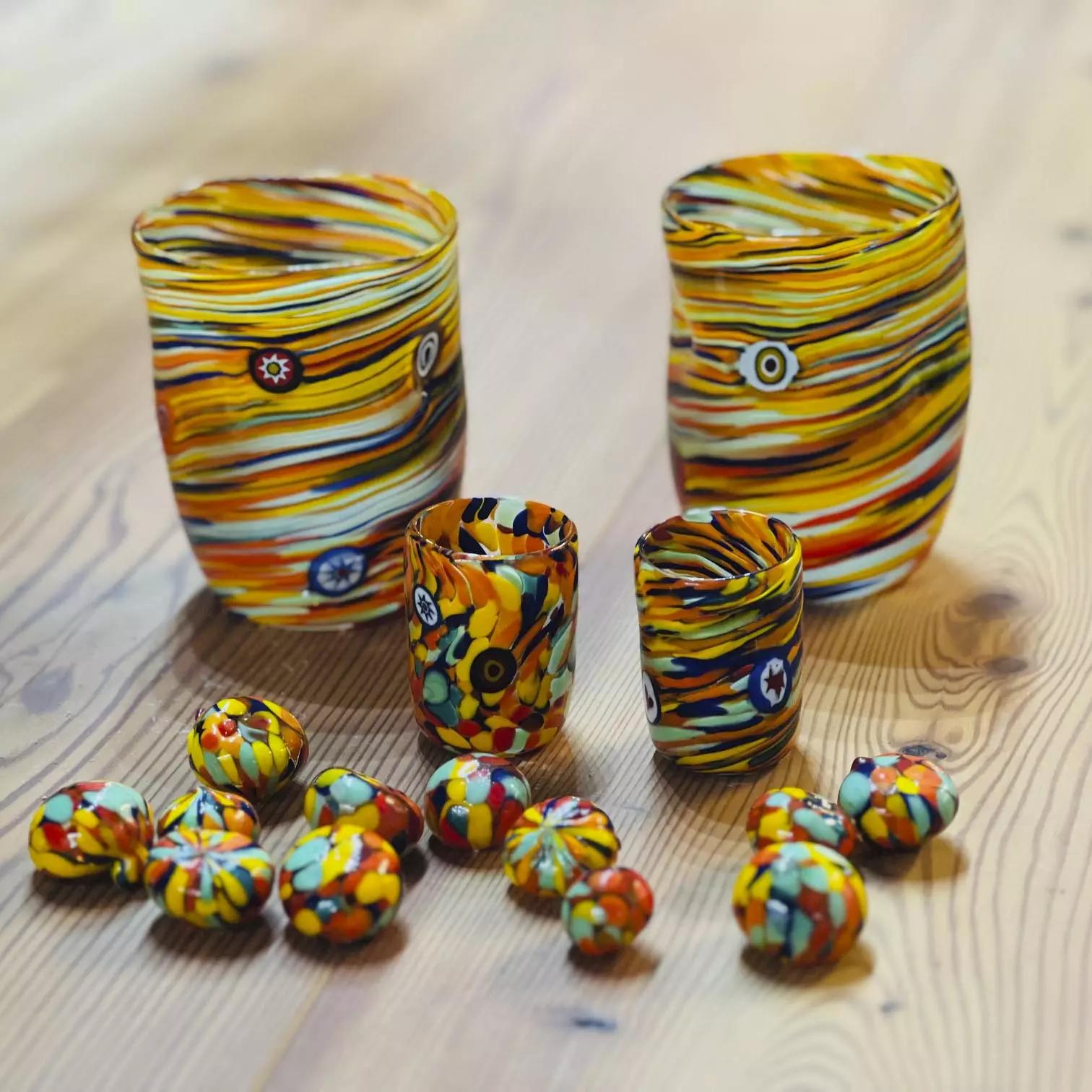
Color in glass is chemistry you can hold to the light.
The palette
- Cobalt oxide → deep blues.
- Copper compounds → greens and turquoise; metallic copper for avventurina sparkle.
- Gold chloride → ruby red (tricky, heat‑sensitive, expensive).
- Manganese → decolorizer (keeps cristallo clear) and soft purples.
- Selenium and cadmium (historic uses) → warm oranges/yellows; modern makers seek safer alternatives.
Heat is everything
- Striking colors develop at specific temperatures; too hot or too cold and the shade dies.
- Reheats in the glory hole change viscosity; masters read glass like cooks read caramel.
Annealing magic
- Slow cooling relieves stress; different colors can contract differently.
- Good annealing is invisible — bad annealing shows as cracks months later.
Next time you see a Murano vase, think of it as managed chemistry — fire tuned to color, second by second.
About the Author

Art Guide Venice
I put this guide together to make your Murano & Burano day simple, insightful, and full of local tips.
Tags
Murano
Color
Chemistry
Furnace
Art
Comments (0)
Leave a Comment
Loading comments...